

Hospital discharge sounds simple on paper; sign the forms, get instructions, go home. But for many families, that moment is stressful and risky.
A loved one may still be feeling weak, dizzy, in pain, or unable to walk steadily. Getting them from the hospital bed to the car and safely home becomes the real challenge. This is where wheelchair transportation, a form of non emergency medical transportation, becomes more than just a ride; it becomes a safety step in recovery.
Instead of struggling with standard vehicles or untrained drivers, families can rely on a wheelchair transportation service that is especially for patient mobility needs. With trained staff, proper equipment, and medical-friendly vehicles, wheelchair medical transport helps reduce discharge day accidents and anxiety for both patients and caregivers.
Why Hospital Discharges Can Be Risky
Hospital discharges often happen when patients are medically stable but not physically strong enough.
After surgery, illness, or intensive treatment, mobility can become limited and energy levels are generally low. In these situations, basic transfers from bed to wheelchair and wheelchair to car seat can become fall hazards. Without proper support, patients are at higher risk of slips, strain, and reinjury.
Families trying to manage transport themselves may not realize how physically demanding patient discharge transport can be. Using a personal car instead of wheelchair transportation also means no secure chair locking, no transfer assistance, and no trained handling support, all of which increase risk during this vulnerable transition window.
How Wheelchair Transportation Ensures Safety
Professional safe wheelchair transportation is built around patient stability and for secure movement.
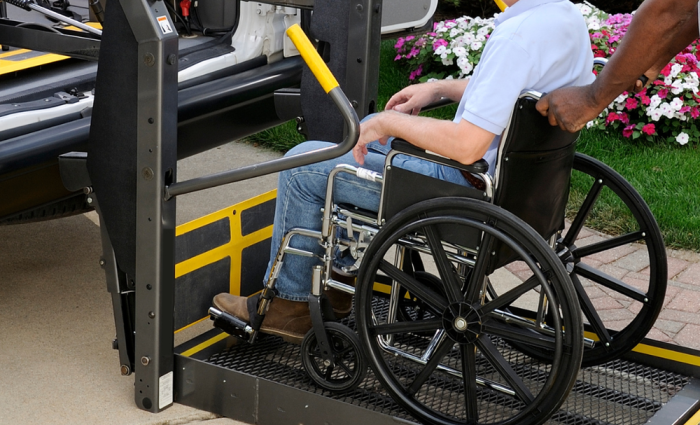
A qualified wheelchair transport service provides trained staff who understand patient handling, balance support, and assisted transfers. Vehicles used for wheelchair medical transport include ADA-compliant ramps or lifts, non-slip flooring, and certified wheelchair locking systems to prevent movement during travel.
Unlike standard rides, wheelchair transportation service vehicles are configured for seated medical travel – not convenience seating. This reduces motion stress and protects recovery injuries. When patients use wheelchair transportation, they are supported from bedside pickup through final drop-off, not left to manage difficult transitions alone.
Convenience and Peace of Mind for Families
For caregivers, discharge day is full of logistics; medications, paperwork, follow-up instructions, and timing coordination.
Adding physical transport challenges increases emotional strain. A scheduled wheelchair transportation service removes that burden. Families don’t need to gather extra helpers or attempt risky lifts. Professional private wheelchair transport teams provide door-to-door assistance, punctual pickup, and direct routing.
This reliability makes patient discharge transport smoother and more predictable. Patients also benefit emotionally, traveling calmly and comfortably through wheelchair transportation instead of feeling rushed or physically stressed supports better early recovery and reduces post-discharge setbacks.
Choosing the Right Wheelchair Transport Service
Not all wheelchair transportation providers offer the same level of safety or professionalism. When selecting a wheelchair transport service, families should confirm licensing, insurance coverage, and medical transport experience. Ask whether staff are trained in patient transfer techniques and discharge support. Vehicles used in wheelchair medical transport should be clean, inspected, and properly equipped for wheelchair compatibility.
Transparent pricing matters too reputable private wheelchair transport providers explain costs upfront. Availability is another factor many discharge situations change quickly, so a responsive wheelchair transportation service with flexible scheduling is ideal.
Choosing a professional medical transport provider rather than a basic ride option significantly improves discharge safety and coordination.
Conclusion: A Safer Way Home Starts With the Right Transport
Leaving the hospital should mark progress, not introduce new risks. With trained staff, secure vehicles, and patient-focused handling, wheelchair transportation makes hospital discharges safer and far less stressful.
Families gain coordination support, patients get stability, and recovery starts on the right note. If you’re planning a discharge soon, using a professional wheelchair transportation service is one of the simplest ways to protect your loved one’s transition home.
Schedule safe wheelchair transportation with our professional medical transport team today.
FAQs
Is wheelchair transportation covered by insurance?
Coverage for wheelchair medical transport depends on insurance type and medical necessity criteria. Many private plans consider it non-emergency transport and may not automatically cover it, always verify first.
How far in advance should I schedule wheelchair transport?
Most wheelchair transportation service providers recommend booking 24-48 hours ahead, though same-day patient discharge transport may be available.
Can family members ride along during transport?
Many private wheelchair transport providers allow one accompanying rider, depending on vehicle capacity and safety rules.
Is long-distance wheelchair transport available?
Yes, many wheelchair transportation companies provide both local and long-distance options with advance scheduling.